Now Available in ALL 50 States and most Countries Including Canada!!!

Helping the Child
Heal Autism, ADHD, PANDAS & More

Table of Contents

Autism Spectrum Disorder (ASD)
What is Autism
Spectrum Disorder?
Autism Spectrum Disorder, or Autism, is a systemic, whole body condition characterized by abnormal brain development particularly in the areas relating to social interaction, communication skills, and cognitive function.

What could cause autism?`
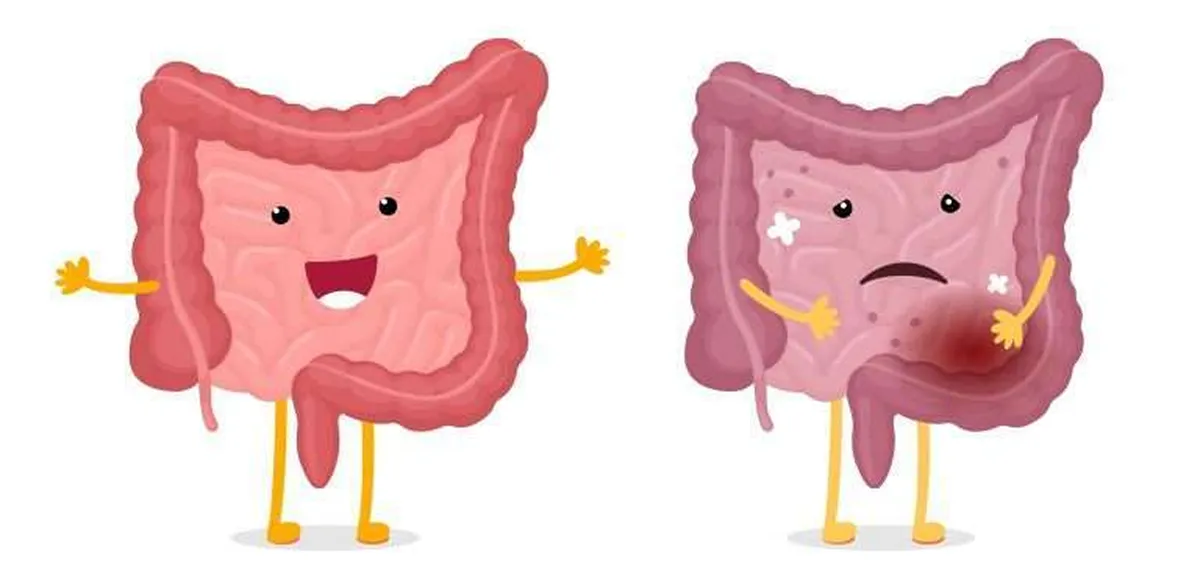
While the complete cause of autism is unknown, functional medicine believes a complex interplay of gut health, immune dysfunction and inflammation, metabolic imbalances and environmental triggers, and nutritional deficiencies are key.
Gut Health
Children on the spectrum often show signs of mitochondrial dysfunction, which may affect their body’s ability to detox. This can lead to a buildup of environmental toxins, including:
Heavy metals
Pesticides
Chemical pollutants
These imbalances may contribute to behavioral symptoms, poor focus, and immune stress.

Immune Dysfunction and Inflammation
Emerging studies highlight neuroinflammation and autoimmune responses in people with autism. Long-term, low-grade systemic inflammation may impair brain development and function, further impacting mood, learning, and behavior.
Heavy metals
Pesticides
Chemical pollutants
Functional medicine approaches these as potential environmental contributors to autism, especially in genetically susceptible children.
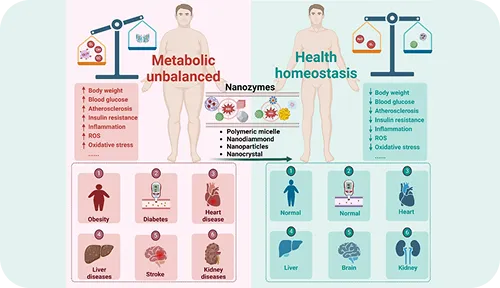
Metabolic Imbalances and Environmental Triggers
Children on the spectrum often show signs of mitochondrial dysfunction, which may affect their body’s ability to detox. This can lead to a buildup of environmental toxins, including:
Heavy metals
Pesticides
Chemical pollutants
Functional medicine approaches these as potential environmental contributors to autism, especially in genetically susceptible children.

Nutritional Deficiencies
Deficiencies in certain key nutrients are often seen in children with autism, including:
Zinc
Magnesium
Vitamin B6
Vitamin D
Omega-3 fatty acids
These nutrients are essential for brain development, immune balance, and cellular repair.

How can we help?
At Alternacare, we specialize in uncovering the root cause of our patients’ many different health concerns, and we maintain that same approach in assisting our patients with autism. It is our belief that the body is interconnected, and when one system is out of balance, it can impact all systems in the body- including brain development.
We have 29 years of experience in restoring GI balance through addressing dysbiosis, leaky gut, and more; uncovering hidden, chronic inflammation; detoxifying environmental toxins like heavy metals and pesticides; addressing nutritional deficiencies; and promoting cellular and mitochondrial healing.
We believe every man, woman, and child is unique, and we certainly don’t believe in a “one size fits all” style of care. Our goal is to uncover what is going on under the surface that is contributing to your health concerns, and our personalized programs are designed to do just that. When you’re ready to take a deeper look into your child’s health and what may be holding them back, we’re ready to create a targeted plan to support your child’s health naturally, safely, and effectively.
Click the link below to begin the journey into restoring your child’s health.
ADHD / ADD
What is ADHD/ADD?
Attention-Deficit/Hyperactivity Disorder (ADHD) and Attention Deficit Disorder (ADD) are neurodevelopmental disorders characterized by persistent patterns of inattention, impulsivity, and, in the case of ADHD, hyperactivity. While the terms are often used interchangeably, ADHD typically includes a hyperactive component, while ADD is primarily marked by inattention without hyperactivity.
From a functional medicine perspective, ADD and ADHD are not viewed as isolated disorders, but rather as symptoms of deeper underlying imbalances in the body—many of which can be addressed through natural and holistic interventions.

What Could Cause ADD/ADHD?
From a functional medicine perspective, there are many underlying causes that may be linked to the presentation of ADD/ADHD. It is believed a complex intersection of nutritional deficiencies, blood sugar imbalances, disruption of the gut-brain axis, environmental toxins, and mitochondrial dysfunction are responsible for many of the symptoms associated with ADD/ ADHD.
Nutritional Deficiencies
Nutrients play a critical role in brain development, neurotransmitter production, and focus. Common deficiencies linked to ADD/ADHD symptoms include:

Omega-3 fatty acids: essential for brain cell communication, memory, and focus
Iron: crucial for dopamine synthesis, which regulates attention
Zinc & Magnesium: support calm behavior and brain signaling
B Vitamins (especially B6 and B12): involved in methylation and neurotransmitter production
Without these key nutrients, the brain may struggle to maintain regulation, focus, and emotional balance.

Blood Sugar Imbalances
High sugar intake or unstable blood glucose levels can trigger mood swings, poor focus, and hyperactivity.
Maintaining stable blood sugar through diet can be a powerful tool in reducing behavioral outbursts and enhancing cognitive performance.
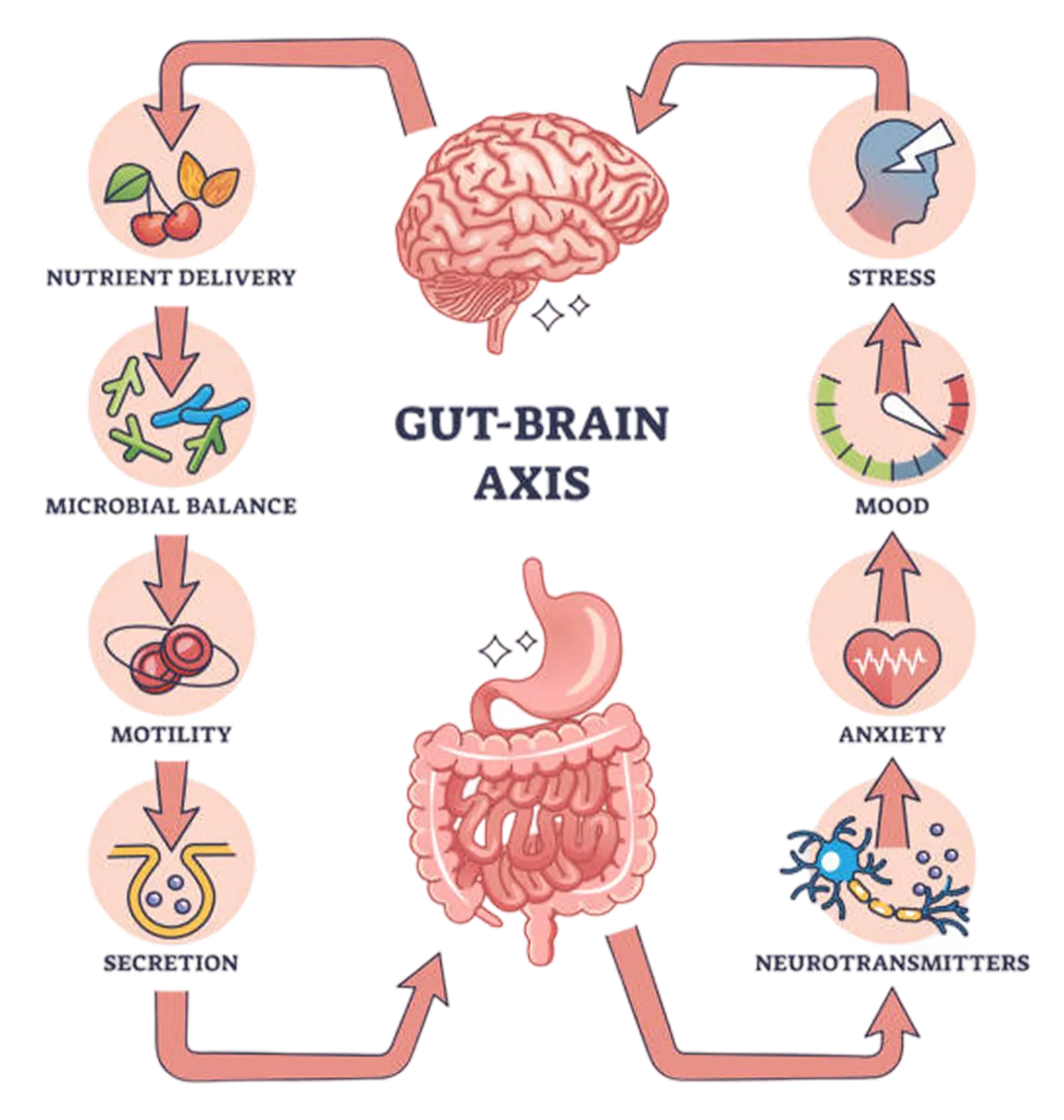
Disruption of the Gut-Brain Axis
Food additives, gluten, dairy, and artificial colors can worsen symptoms in many children struggling with ADD/ADHD.
Gluten and dairy, especially for those who are intolerant, can be challenging to digest. When not fully broken down, they can irritate the gut lining, leading to leaky gut, and allowing small particles to enter the bloodstream. This can trigger an immune system response that can lead to inflammation in the brain which can create issues in attention, mood, and behavior.
Artificial colors and preservatives like Red 40, Yellow 5, and sodium benzoate can irritate the nervous system, disrupt neurotransmitter balance, and possibly even harm the gut microbiome.
A disrupted gut microbiome can contribute to brain inflammation and poor neurotransmitter production which can lead to neural dysregulation.

Environmental Toxins
Children’s’ brains are more sensitive to environmental toxins because their brains are still developing. Examples of these toxins are things like lead, mercury, pesticides, BPAs, and molds.
These toxins can interfere with the brain’s ability to generate and utilize neurotransmitters like dopamine.
They can cause inflammation in the brain making it difficult for the brain cells to communicate leading to impaired memory, focus, and mood.
Some toxins can even poison brain cells leading to slowed development and damage in the areas responsible for attention and behavior.
Additionally, toxins can block nutrient absorption in the brain and disrupt or mimic hormones which confuse the body’s signaling system impacting brain growth and regulation.
Mitochondrial Dysfunction
Mitochondria are power generators inside your cells that create the energy, called ATP, your body and brain need to function. Mitochondrial dysfunction creates a lack of cellular energy. This can lead to brain fog, poor concentration, mental fatigue, and hyperactivity or impulsivity as the brain struggles to self-regulate.

How can we help?
At Alternacare, we specialize in uncovering the root cause of our patients’ many different health concerns. We maintain that same approach when helping children with ADD/ADHD.
We believe the body is interconnected and has the full capability of healing itself when given the correct support. The first step is determining the true root cause to your child’s ADD/ADHD.
We pinpoint the root cause through a wide variety of alternative, detailed testing that we select based on your child needs. We have 29 years of experience in addressing nutritional deficiencies and blood sugar imbalances through diet and lifestyle changes and introducing necessary supplements that we curate ourselves; restoring the Gut-Brain axis through addressing conditions like leaky gut, hidden allergens, parasites, and bacterial dysbiosis; ridding the body of deep rooted environmental toxins through a series of cleanses that are designed based on your child’s needs; and rejuvenating the body’s mitochondria through cellular healing.
Every man, woman, and child is unique, and we certainly don’t subscribe to cookie cutter care. Our goal is to uncover what is going on under the surface that is contributing to your child’s health concerns, and our personalized programs are designed to do just that. When you’re ready to take a deeper look into your child’s health and what may be holding them back, we’re ready to create a targeted plan to support your child’s health naturally, safely, and effectively. Click the link below to begin the journey into restoring your child’s health.
PANDAS
What is PANDAS?
Pediatric Neuropsychiatric Disorders Associated with Streptococcal infections (PANDAS) is a condition where a child develops anxiety, OCD, tics, or other behavioral issues after experiencing a streptococcal infection. Functional medicine views PANDAS as more than just an abrupt neurological disorder, but as a complex malfunction of the immune system creating widespread inflammation that affects the brain.
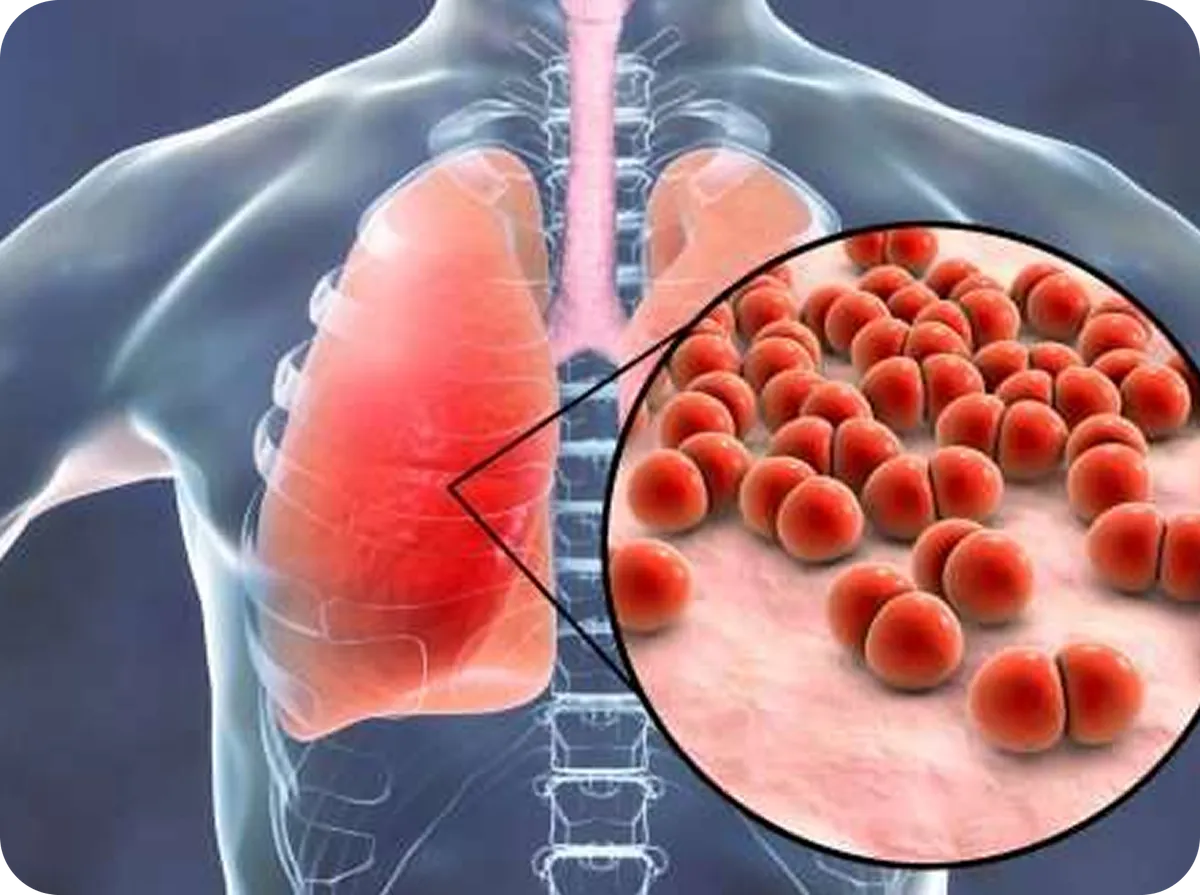
How Does the Streptococcal Bacteria Cause PANDAS?
Initial infection by the streptococcal bacteria is the impotence behind PANDAS. There are several million cases of mild strep throat and strep A infections that occur in the U.S. throughout the year. So why is it that only about 0.5% of the U.S. child population infected with strep actually develops PANDAS? Let’s get into it.

1. When a child gets strep, the immune system creates antibodies to attack the bacteria, which is totally normal.
2.In some children, those antibodies accidentally mistake the brain cells for strep bacteria.
3.This creates an autoimmune-like reaction against the brain cells.
4.The reaction causes intense inflammation in the brain especially in the basal ganglia, which is the region involved in mood, movement, and behavior.
5.Ultimately, this leads to sudden onset of OCD or anxiety, tics or unusual movements, mood swings or aggression, and trouble focusing or sleeping, all of which are characteristic of PANDAS.
In functional medicine, PANDAS is viewed as an autoimmune disorder triggered by the streptococcal bacteria. Because of this, functional medicine views immune health, inflammation, and gut balance as possible true roots to PANDAS.
This may explain why only 0.5% of the US child population develops PANDAS even though millions of people become infected with Strep A each year.
How can we help?
At AlternaCare, we understand that PANDAS is more than just a behavioral issue. We aim to uncover the underlying cause of the autoimmune response and do this through out different in-depth testing methods. These tests uncover hidden lingering infections, food sensitivities, environmental toxins, and more that can be contributing to inflammation.
Additionally, we’ve spent the last 29 years focused on reducing inflammation in the body and tackling the hidden causes to autoimmune diseases to give your body the best chance at healing itself. This is done through specialized detoxification and gut healing techniques that reduce immune stress.
Our mission at AlternaCare is to bring back your child’s spark through our personalized programs designed specifically for them. In our 29 years of practice, no two patients have been on the same program. We will bring that same standard of customization to your child.
When you’re ready to take a deeper look into your child’s health and what may be holding them back, we’re ready to create a targeted plan to support your child’s health naturally, safely, and effectively.
Click the link below to begin the journey into restoring your child’s health.
Eczema (Atopic Dermatitis)
What is Eczema?
Eczema is a chronic skin condition characterized by dry, itchy, inflamed patches of skin. From a functional perspective, eczema signals immune overactivity and dysregulation in response to sensitivities, toxins, and other hidden inflammatory conditions in the body.

What can cause Eczema?
When the gut lining becomes damaged or inflamed, tiny gaps can form in the intestinal wall. This allows undigested food particles, toxins, and harmful bacteria to leak into the bloodstream. This is known as intestinal permeability, or more commonly, leaky gut. Once these particles have entered the bloodstream, the body sees them as a threat and triggers an immune response.
This immune response can present in many different organs and glands in the body. Because your skin is your body’s largest organ, this is an extremely common place for an inflammatory reaction to show up. This can lead to the dry, itchy, inflamed, uncomfortable skin patches- otherwise known as eczema.

Food Sensitivities and Allergens
When someone has food sensitivities or allergies, the body reacts as if they were a foreign invader. This triggers an immune response resulting in inflammation throughout the body. For many, this inflammation appears on the skin as eczema.
Common food sensitivities and allergens include:
Eggs
Gluten
Dairy
Soy
Artificial additives or preservatives
Unlike immediate allergic reactions, these sensitivities an result in a delayed response, making them harder to identify without proper testing.

Microbiome Imbalance (Gut Dysbiosis)
Your gut is home to trillions of bacteria that help regulate the immune system, reduce inflammation, and support skin health. When the balance between good and harmful bacteria is disrupted—often due to antibiotics, poor diet, or stress—it’s called gut dysbiosis.
This imbalance can:
Weaken gut lining
Trigger immune reactions
Increase inflammation throughout the body
Weaken gut lining
Trigger immune reactions
Increase inflammation throughout the body

Poor Detoxification
Every day, children and adults are exposed to toxins through food, water, air, household products, and even skincare. When the body’s main detox organs—especially the liver, kidneys, and gut—can’t keep up with the toxic load, it looks for other ways to eliminate waste. One of the largest detox organs? The skin.
When toxins build up and aren’t efficiently cleared, the body may push them out through the skin, leading to eczema-like symptoms.
This skin irritation is often the result of internal congestion, not just an external issue.

Nutrient Deficiencies
Your skin needs key vitamins and minerals to stay healthy, hydrated, and resilient. When the body lacks certain nutrients, it can weaken the skin’s protective barrier and increase inflammation—both of which contribute to eczema symptoms like dryness, itching, and irritation.
Common nutrient deficiencies linked to eczema include:
Zinc: Essential for skin repair and immune balance
Vitamin D: helps regulate inflammation and skin cell growth
Omega-3 Fatty Acids: reduce inflammation and improve skin moisture
Vitamin B6 and Biotin: support skin integrity and nerve function

How can we help?
At AlternaCare, we specialize in identifying and addressing the root causes behind many chronic health conditions, and we use that same functional approach when helping children struggling with eczema.
We believe eczema is more than just a skin condition. It’s often a sign of internal imbalances in the gut, immune system, detox pathways, and more. The body has an amazing ability to heal when the true cause is identified and the right support is given.
To help restore healthy skin, we start with comprehensive, alternative testing tailored to your or your child’s needs. These tests help us uncover issues like hidden food sensitivities, leaky gut, bacterial or yeast overgrowth, immune system imbalances, and toxin overload.
From there, we build a personalized program that may include gut repair protocols, anti-inflammatory nutrition, detox support, and targeted supplementation which are all designed to reduce inflammation from the inside out.
With 29 years of experience, we understand that every case of eczema is unique, and there’s no one-size-fits-all approach. Our goal is to uncover what’s truly going on beneath the surface and design a natural, effective plan for lasting relief.
When you’re ready to get to the root of eczema and support true healing from within, we’re here to help. Click the link below to start your child’s journey toward clearer skin and better health.
Recurrent Ear
Infections (Otitis Media)
What is Otitis Media?
Otitis Media is an inflammation or infection of the middle ear, usually caused by fluid buildup behind the eardrum. For some children, this condition is recurrent and chronic. While conventional medicine typically treats it with antibiotics or ear tubes, functional medicine looks at why it keeps happening.

What Can Cause Recurrent Ear Infections?
Functional medicine views recurrent ear infections as a symptom of a deeper rooted issue. Natural triggers for recurrent ear infections are often food sensitivities, gastrointestinal dysregulation, an imbalanced immune system, and environmental toxin exposure. By identifying and addressing these hidden triggers, we help children heal naturally and reduce their risk of future infections.
Food Sensitivities
Functional medicine often finds that repeated ear infections (otitis media) are linked to hidden food sensitivities, especially to dairy, gluten, soy, and eggs.
These trigger foods can cause chronic inflammation in the body, leading to increased mucus production, sinus congestion, and swelling in the small passageways that drain fluid from the middle ear, called the Eustachian tubes. When these tubes become blocked due to inflammation, fluid builds up behind the eardrum, creating the perfect environment for bacteria to grow and cause infection.


Gastrointestinal
Dysregulation
The gut plays a highly important role in immune function, especially in children whose immune systems are still developing.
When the gut is imbalanced due to an overgrowth of bad bacteria, leaky gut, or poor digestion, it weakens the immune system and drives chronic inflammation throughout the body. This systemic inflammation can cause swelling in the Eustachian tubes. This can result in poor drainage and fluid buildup which establishes a bacterial breeding ground in the ear allowing for recurrent infection.
Immune System Imbalance
Recurrent ear infections often stem from an underlying imbalance in the immune system. A weakened immune response makes it difficult for the body to fully clear infections, allowing bacteria or viruses to persist and cause repeated inflammation in the ear.,
In some cases, the immune system becomes overstimulated or chronically inflamed, often due to poor gut health, nutrient deficiencies, or environmental stressors. This leads to swelling of the Eustachian tubes and blockage of proper drainage mechanisms. When fluid becomes trapped, it creates a damp, dark environment perfect for bacteria to run rampant.
Children with immune system imbalances are also more vulnerable to infections following colds, allergies, or seasonal changes, as their bodies have a harder time mounting a proper defense without tipping into chronic inflammation.
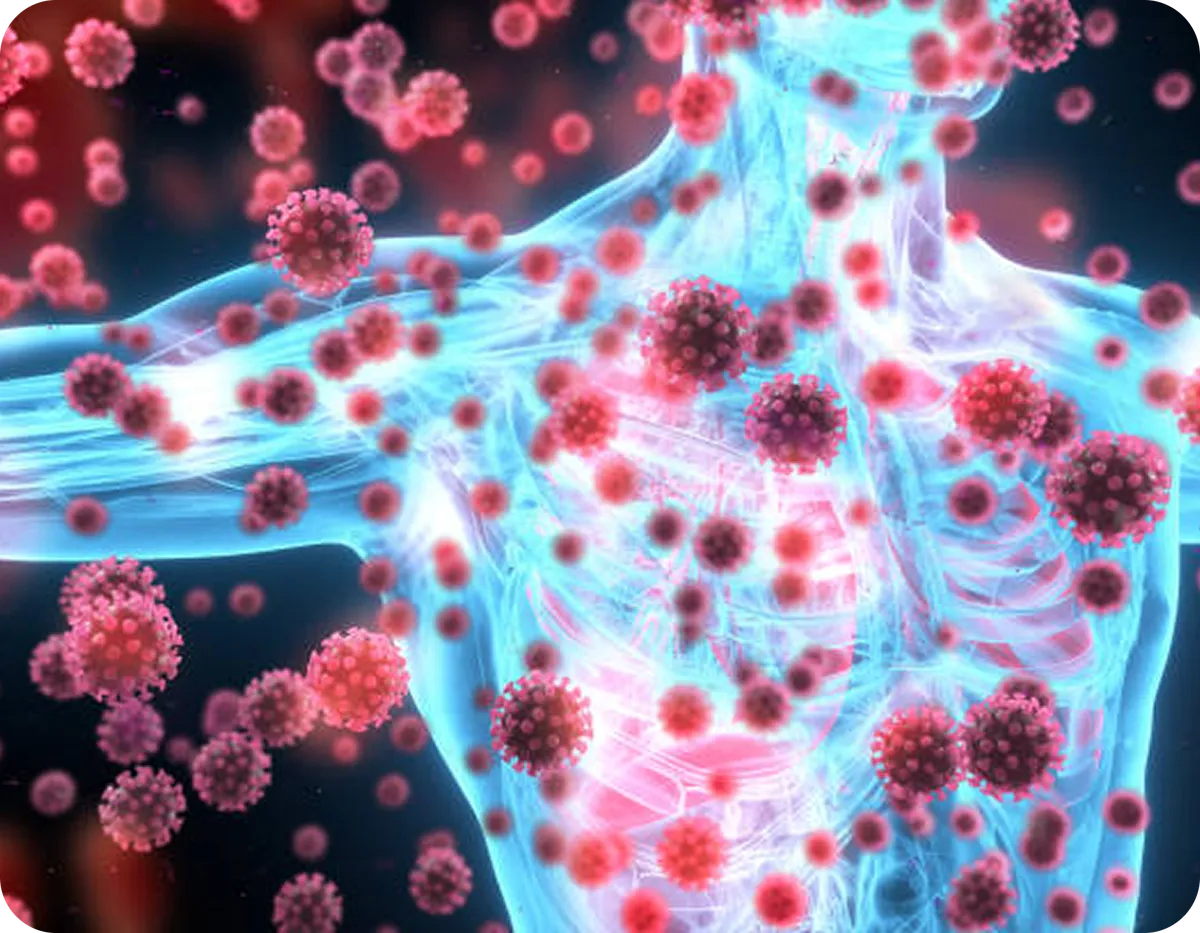

Environmental Toxin Exposure
Exposure to environmental toxins like mold, secondhand smoke, poor indoor air quality, and harsh chemicals can play a major role in recurrent ear infections.
These toxins irritate and inflame the respiratory passages and Eustachian tubes, which are responsible for draining fluid from the middle ear. Chronic exposure leads to mucus buildup, congestion, and swelling, making it difficult for the ear to drain properly. This trapped fluid and congestion provides the means need for uncontrolled bacterial growth.
Children are especially sensitive to these environmental triggers. While these triggers often go unnoticed, they contribute to ongoing inflammation and compromised immune function which are also two key drivers of chronic ear infections.
How can we help?
At AlternaCare, we take a root-cause approach to health, and we apply that same philosophy when helping children who suffer from recurrent ear infections.
We understand that chronic ear infections are rarely just an ear problem. They’re often the result of deeper imbalances involving the gut, immune system, food sensitivities, or toxin exposure. Rather than relying on repeated rounds of antibiotics or ear tubes, we focus on helping the body heal naturally by finding out what’s really causing the issue in the first place.
Using a variety of non-invasive, alternative tests, we can assess a multitude of different possible causes for your child’s recurrent ear infections. We have over 29 years of experience, and pride ourselves on creating personalized programs that may include anti-inflammatory nutrition, gut restoration, immune support, detox protocols, and natural remedies that help the ears drain properly and reduce inflammation from the inside out.
Out of over 60,000 patients, no two have ever been placed on the same program. Every patient is different with different needs in order to restore their health, and your child is no different! Our goal is to uncover what’s interfering with your child’s ability to stay well and build a targeted, natural plan to support long-term ear health and overall wellness.
If you’re ready to stop the cycle of ear infections and support your child’s health naturally, we’re here to guide you every step of the way. Click the link below to begin your child’s healing journey.
Gastrointestinal (GI) Issues
What Are Gastrointestinal Issues?
From a functional medicine perspective, gastrointestinal (GI) dysregulation refers to a disruption in the normal function, balance, or integrity of the digestive system. Digestive issues are often a culprit and root cause behind many health conditions due to the gut’s role in brain function and neurotransmitter synthesis, immune system regulation, and much more!

What Can Cause GI Issues?
As it was mentioned previously, GI issues are the impotence behind many commonplace health concerns and conditions. Two common GI issues that can wreak havoc on someone’s body are leaky gut and gastrointestinal dysbiosis. These are just two amongst many different gastrointestinal conditions, but how does one develop GI issues in the first place?
Poor diet and food sensitivities, chronic stress, frequent antibiotic and medication use, toxin exposure, and infection by many different pathogens all curate the perfect environment for gastrointestinal distress.
Poor Diet and Food Sensitivity
A poor diet and hidden food sensitivities are two of the most common causes of gastrointestinal (GI) dysregulation.
Diets high in sugar, processed foods, artificial additives, and unhealthy fats can damage the gut lining, feed harmful bacteria, and weaken digestion. Over time, this leads to gut inflammation, bloating, constipation, poor nutrient absorption, and immune dysfunction.
In addition, food sensitivities, especially to gluten, dairy, soy, eggs, and corn, can trigger chronic inflammation in the digestive tract. These sensitivities may not cause immediate symptoms but can silently inflame the gut, contribute to leaky gut syndrome, and disrupt the balance of healthy gut bacteria which contributes to gastrointestinal dysbiosis.
Together, these dietary stressors interfere with how the gut breaks down food, absorbs nutrients, and supports the immune system—leading to long-term digestive and overall health issues.


Chronic Stress
Chronic stress is a major contributor to gastrointestinal (GI) dysregulation and can significantly impact digestive health.
When the body is under constant stress, it produces high levels of cortisol, a stress hormone that disrupts normal digestive function. Elevated cortisol can lead to reduced stomach acid, slower gut motility, and increased inflammation—all of which impair digestion and nutrient absorption.
Stress also weakens the gut lining, increasing the risk of leaky gut, and throws off the balance of healthy gut bacteria, known as gut dysbiosis. This can cause symptoms like bloating, constipation, diarrhea, and chronic gut inflammation.
Over time, unmanaged stress can overwhelm the gut-brain connection and lead to long-term GI issues, immune dysfunction, and overall poor health.
Frequent Antibiotic and MedicationUse
Frequent use of antibiotics, NSAIDs, and antacids can disrupt the digestive system and contribute to gastrointestinal dysregulation.
Antibiotics kill harmful bacteria, but they also destroy beneficial gut bacteria, leading to gut dysbiosis which is an imbalance that weakens digestion, immunity, and nutrient absorption.
NSAIDs can irritate and damage the gut lining, increasing the risk of inflammation and leaky gut syndrome.
Antacids and acid blockers, when overused, reduce stomach acid needed for proper digestion, which can lead to bloating, poor nutrient breakdown, and bacterial overgrowth.
Over time, these medications can impair the gut’s ability to function normally, setting the stage for chronic digestive issues, immune dysfunction, and inflammation throughout the body.

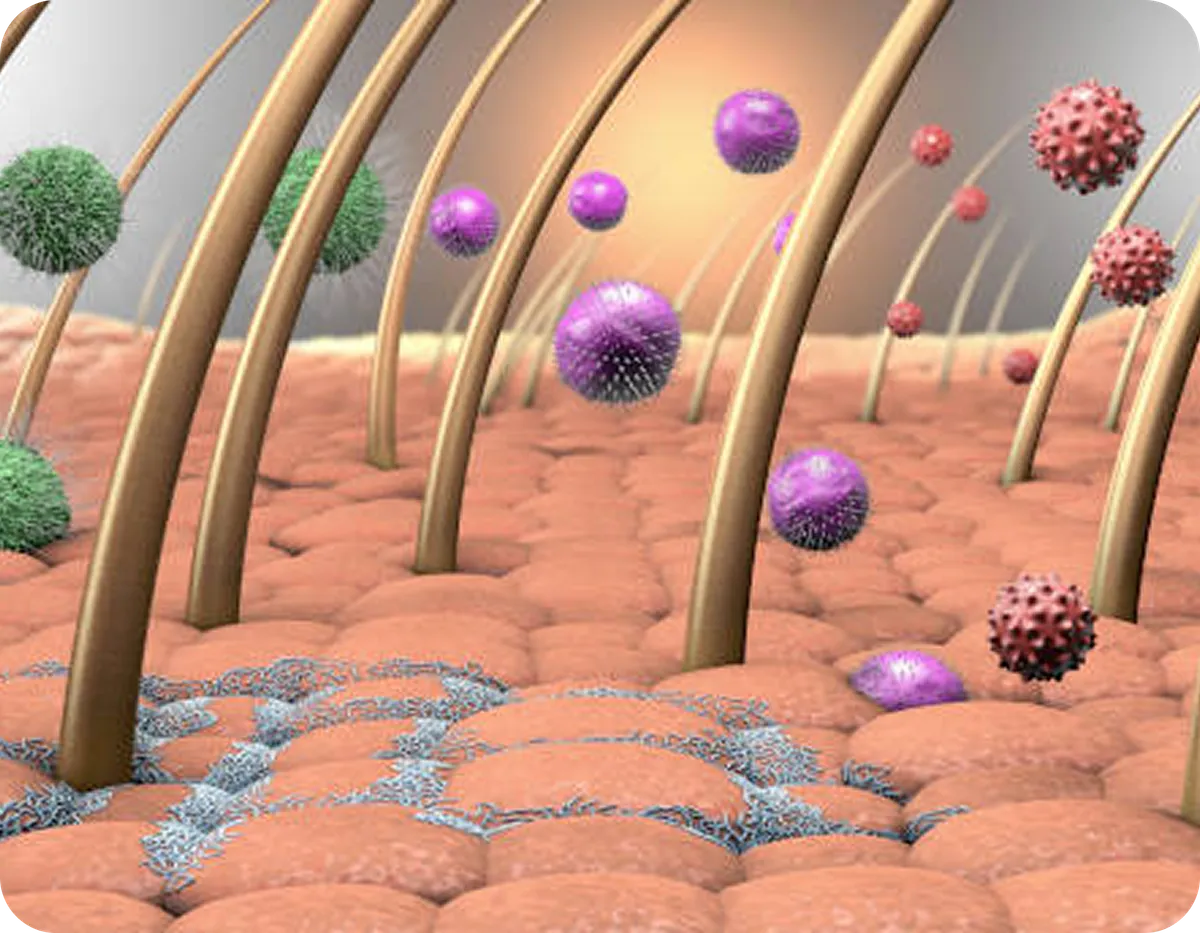
Toxin Exposure
Exposure to toxins like pesticides, heavy metals, mold, and harmful chemicals can directly disrupt gut health and lead to gastrointestinal dysregulation.
These toxins irritate and inflame the gut lining, increasing the risk of leaky gut.
Toxins also damage beneficial gut bacteria, leading to dysbiosis, impairing digestion, weakening the immune system, and affecting nutrient absorption.
Over time, toxic overload can overwhelm the body’s detox pathways and leave the gut in a constant state of stress. This contributes to symptoms like bloating, constipation, food sensitivities, and fatigue.
Pathogen Infestation
Chronic gut infections such as Candida overgrowth, parasites, H. pylori, and SIBO (Small Intestinal Bacterial Overgrowth) are common hidden causes of gastrointestinal dysregulation.
These infections disrupt the balance of healthy gut bacteria, damage the gut lining, and trigger chronic inflammation.
Candida and parasites can interfere with nutrient absorption and produce toxins that irritate the digestive tract.
H. pylori weakens the stomach lining and reduces stomach acid, making it harder to break down food.
SIBO leads to excessive fer
mentation in the small intestine, causing bloating, gas, and discomfort.
Over time, these imbalances weaken digestion, impair immune function, and contribute to symptoms like constipation, diarrhea, fatigue, and food sensitivities.

How can we help?
At AlternaCare, we understand how challenging it can be to watch your child struggle with digestive issues like stomach pain, constipation, diarrhea, bloating, or food sensitivities. These symptoms may affect their mood, energy, and overall well-being, and often point to deeper imbalances in their gut health.
Using gentle, child-friendly testing, we look beyond the symptoms to find the root causes such as leaky gut, gut bacteria imbalance, hidden food sensitivities, parasites, chronic inflammation, and more. By identifying what’s truly disrupting your child’s digestive system, we can create a personalized healing plan tailored just for them.
Our approach includes nutritional guidance, gut-healing protocols, detox support, and targeted supplements designed to restore balance and promote lasting digestive health. Out of over 60,000 patients, no two patients have had the same program, and it’s our goal to curate the same kind of highly personalized program for your child. With over 29 years of experience, we’re committed to helping your child feel better naturally, safely, and effectively, so they can thrive.
If your child’s digestive problems are holding them back, we’re here to help you find answers and start the healing journey. Click below to learn more and take the first step toward your child’s improved gut health.
Anxiety and Mood Dysregulation
What is Anxiety and Mood Dysregulation?
Anxiety refers to a state of persistent worry, fear, or nervousness that often feels disproportionate to actual events. Mood dysregulation involves frequent mood swings, irritability, low tolerance to stress, or difficulty maintaining emotional stability. These issues are commonly linked to brain chemistry imbalances. However, functional medicine views them as more than just psychological or emotional issues. Instead, functional medicine views them as symptoms of underlying imbalances in the body’s nervous, immune, hormonal, and digestive systems
What Can Cause
Anxiety and Mood Dysregulation?
While anxiety and mood dysregulation are typically only associated with neurological imbalances, there are actually many different factors within the body that can create anxiety or mood dysregulation. Some of the most common of these causes are imbalances in the gut-brain axis, nutrient deficiencies, toxin exposure, and hormonal imbalances.
Imbalances in the Gut-Brain Axis
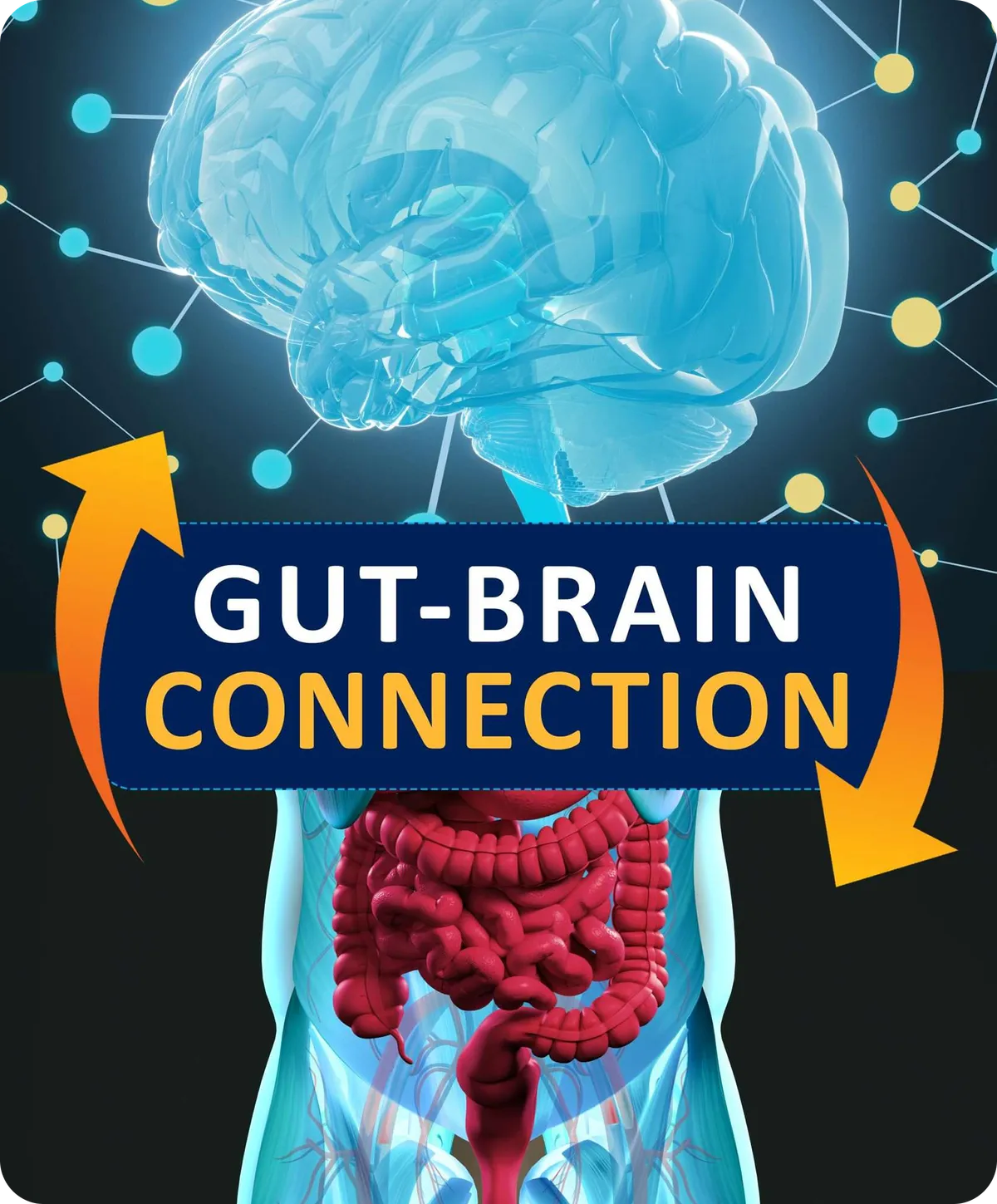
The gut produces key brain chemicals like serotonin, dopamine, and GABA, which help regulate mood, calm the nervous system, and support emotional balance. When the gut is out of balance due to leaky gut, inflammation, or harmful bacteria, it inhibits the gut’s ability to produces these key chemicals for the brain. This disrupts brain cell communication and leads to mood swings, irritability, brain fog, and anxiety.
A stressed or unhealthy gut can also increase inflammation and trigger the brain’s stress response, making it harder to feel calm, focused, or emotionally stable.

Nutrient Deficiencies
Nutrient deficiencies are a common but often overlooked cause of anxiety and mood dysregulation.
Key nutrients like magnesium, B vitamins, vitamin D, zinc, and omega-3 fatty acids are essential for producing and regulating brain chemicals such as serotonin, dopamine, and GABA. When these nutrients are low, it can lead to increased stress, irritability, brain fog, and emotional instability.
Deficiencies also weaken the nervous system, impair stress response, and increase inflammation—all of which can make it harder to stay calm, focused, and emotionally balanced.
Toxin Exposure
Exposure to toxins such as mold, mercury, lead, and BPA can interfere with brain function and contribute to anxiety and mood dysregulation.
These toxins can cross the blood-brain barrier, disrupt neurotransmitter activity, and trigger chronic inflammation in the brain and nervous system. Over time, this toxic burden can impair emotional regulation, increase irritability, and heighten anxiety symptoms.
Toxins also stress the gut and liver which are key systems involved in detoxification and hormone balance and make it harder for the body to manage stress and maintain a stable mood.

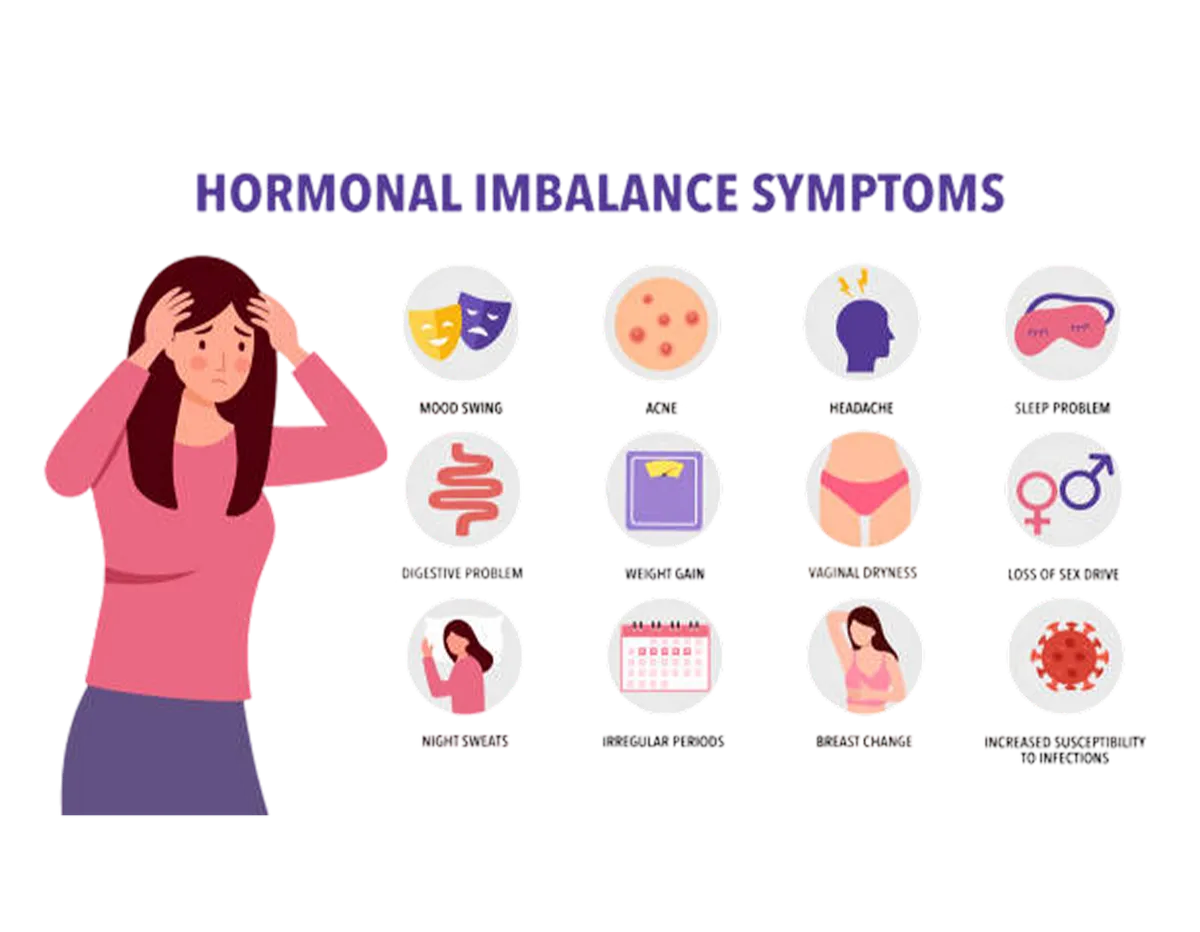
Hormonal Imbalances
Imbalances in cortisol, thyroid hormones, estrogen, or progesterone can significantly affect brain chemistry and lead to anxiety and mood dysregulation.
High or low cortisol levels from chronic stress can overstimulate the nervous system, causing feelings of anxiety, restlessness, or emotional exhaustion.
Thyroid dysfunction slows brain and metabolic activity, often resulting in depression, low motivation, and mental fog.
Shifts in estrogen and progesterone can disrupt serotonin and GABA levels—two key neurotransmitters that help regulate mood and calm the mind.
When hormones are out of balance, it becomes much harder for the brain to maintain emotional stability and resilience to stress.
How can we help?
At AlternaCare, we understand how heartbreaking it can be to see your child struggling with anxiety, mood swings, irritability, or emotional outbursts. These challenges don’t just affect your child, but they can impact the whole family. When traditional treatments don’t provide lasting relief, it’s time to look deeper.
From a functional medicine perspective, anxiety and mood issues are often linked to underlying imbalances in the gut, brain, hormones, and nervous system. We use safe, non-invasive testing to uncover hidden causes like gut dysbiosis, nutrient deficiencies, blood sugar imbalances, toxin exposure, and hormonal shifts that may be disrupting your child’s ability to regulate their emotions.
Once we identify the root causes, we create a personalized plan that may include nutritional therapy, targeted supplements, stress support, and gentle detox protocols which are all tailored to your child’s unique needs. With 29 years of experience, we help restore calm, balance, and resilience from the inside out.
If your child is overwhelmed, anxious, or emotionally dysregulated and you’re searching for answers, we’re here to help. Click below to take the first step toward a brighter, more balanced future for your child.
Child's Free Health Evaluation
Dr. Rob created this form with the purpose of gaining a more comprehensive health history regarding your child so we can better serving your family.
Take our Free Child Health Evaluation today!
If you have a question, or would simply like more information, please fill out the form below:

Helping the Child
Heal Autism, ADHD, PANDAS & More

© 2026 Alterna Care All Rights Reserved